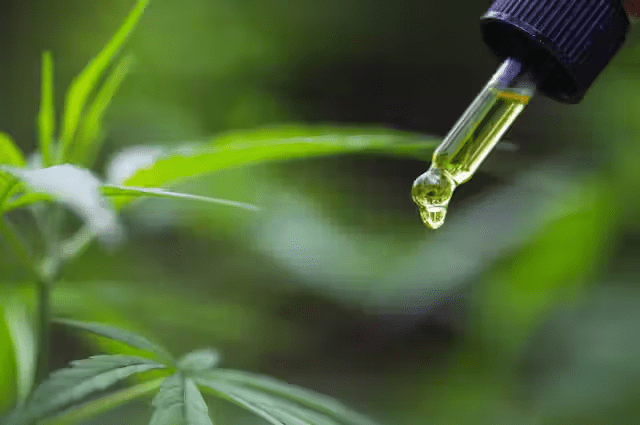
In recent years, cannabis has AI in healthcare gone from being a taboo substance to a widely discussed and often legally accessible therapeutic option. One of the most debated areas of cannabis use is its impact on mental health. For some, cannabis offers relief from anxiety, depression, and PTSD. For others, it can worsen symptoms or trigger conditions like psychosis.
So, what’s the truth? The relationship between cannabis and mental health is complex, influenced by factors like dosage, frequency, individual brain chemistry, and the specific strain used. This article will explore both the potential benefits and risks, helping users make informed decisions about cannabis and mental well-being.
How Cannabis Affects the Brain
Cannabis contains over 100 cannabinoids, with THC (tetrahydrocannabinol) and CBD (cannabidiol) being the most studied. These compounds interact with the brain’s endocannabinoid system (ECS), which plays a role in regulating mood, stress, memory, sleep, and emotional processing.
THC binds to CB1 receptors in the brain, creating the psychoactive “high” and affecting mood, perception, and cognition.
CBD modulates the ECS more gently and does not cause a high. It is known for its anxiolytic (anti-anxiety), antipsychotic, and calming effects.
Mental Health Conditions and Cannabis: The Pros
- Anxiety
CBD has shown promise in reducing symptoms of generalized anxiety disorder (GAD), social anxiety, and PTSD-related anxiety.
Some studies suggest low doses of THC can reduce anxiety, though higher doses often increase it.
Anecdotal evidence and preliminary research indicate that CBD-rich strains can provide calm without intoxication.
- Depression
THC can stimulate dopamine release, providing a temporary mood boost. This is why some people with depression feel energized or more sociable after use.
CBD may enhance serotonin signaling, similar to some antidepressants, though more research is needed.
- PTSD (Post-Traumatic Stress Disorder)
Cannabis may reduce flashbacks, nightmares, and hypervigilance.
A 2014 study published in the Journal of Psychoactive Drugs reported a 75% reduction in PTSD symptoms among patients who used cannabis.
- Stress Relief and Emotional Regulation
Many users report improved sleep, relaxation, and better emotional balance with cannabis use.
Mindful use—especially of CBD or balanced strains—can aid in decompressing after high-stress days.
The Risks: When Cannabis May Harm Mental Health
While cannabis holds therapeutic promise, it’s not without risks—particularly when misused or used by vulnerable individuals.
- Psychosis and Schizophrenia
High-THC cannabis has been linked to increased risk of psychotic disorders, especially in those genetically predisposed.
Frequent cannabis use during adolescence—a critical brain development period—may increase the risk.
CBD, on the other hand, has shown antipsychotic properties, possibly counteracting THC’s risks.
- Cannabis-Induced Anxiety or Panic
High doses of THC, especially in edibles or concentrates, can trigger anxiety, paranoia, or panic attacks.
Individuals sensitive to THC or those new to cannabis should start with low doses and consider CBD-rich strains.
- Depersonalization and Derealization
Some users experience detachment from reality or themselves—a symptom exacerbated by strong THC effects.
These experiences can be unsettling and may mimic or trigger underlying dissociative disorders.
- Dependency and Withdrawal
Though cannabis is less addictive than many substances, about 9% of users develop a cannabis use disorder.
Withdrawal symptoms can include irritability, insomnia, mood swings, and cravings—especially with daily or heavy use.
Tips for Using Cannabis to Support Mental Health
Choose the Right Strain:
CBD-dominant or balanced THC:CBD strains are often safer for mental health support.
Avoid high-THC sativas if you’re prone to anxiety or paranoia.
Start Low, Go Slow:
Begin with small doses, especially if you’re new or using cannabis for emotional reasons.
Track Your Mood:
Keep a journal of how different strains or doses affect your mood, energy, sleep, and overall mental state.
Use in a Safe Environment:
Set and setting matter. Use cannabis in a calming space where you feel safe and comfortable.
Take Breaks and Evaluate:
Consider periodic tolerance breaks to reassess your use and ensure it’s benefiting, not harming, your mental state.
Combine with Therapy or Lifestyle Changes:
Cannabis isn’t a cure-all. Pairing it with professional therapy, meditation, exercise, and proper nutrition can enhance results.
The Role of Medical Supervision
If you’re considering cannabis for mental health reasons, it’s wise to consult a mental health professional or cannabis-informed doctor. They can help assess your personal risk factors and recommend suitable products, dosages, and methods of administration.
Final Thoughts
Cannabis is not a magic bullet for mental health—but it can be a valuable tool when used with care, intention, and knowledge. For many, it offers relief from anxiety, depression, stress, and trauma. For others, especially those with a family history of psychosis or heavy THC use, it may worsen symptoms or introduce new ones.


Leave a Reply